Why You Should
Adidas Samba OG Review: Style, Fit & Comfort Tested
Introduction
The Adidas Samba OG has been in continuous production since 1950. That is not a marketing claim, it is a fact worth sitting with. Originally engineered as an indoor soccer and futsal shoe, the Samba was built for hard court traction, not streetwear relevance. The fact that it has become one of the most culturally visible sneakers of the last several years says something about the endurance of honest, functional design.
What you are buying when you purchase a Samba OG in 2024 is a shoe that has not been redesigned to chase its own hype. The silhouette is the same low-profile, T-toe construction it has always been. That restraint is either its greatest strength or its most significant limitation, depending entirely on what you need from a sneaker. This review will tell you which camp you fall into.
Price
At $100 USD, the Samba OG sits at the lower end of the premium lifestyle sneaker bracket. It is not cheap, but it is not aspirationally priced either. For context, the New Balance 550 retails at $110, the Nike Air Force 1 Low at $110, and the New Balance 574 at $80–$90. The Samba lands competitively within this midrange tier.
The value calculation here is more nuanced than the number suggests. You are paying for a leather and suede upper, a recognizable design with 70-plus years of heritage, and a gum rubber outsole, all at a price point where many competitors default to synthetic materials. On those terms, $100 is defensible. Where the value proposition gets complicated is durability: Verified purchasers report visible wear on the suede panels within weeks of regular use, which is a meaningful concern at this price. A shoe that shows its age quickly erodes the long-term cost-per-wear math that justifies spending $100 over $65.
If you catch the Samba OG on sale, which happens periodically at authorized retailers, at $75 to $85, it becomes a significantly stronger buy.
Materials and Construction
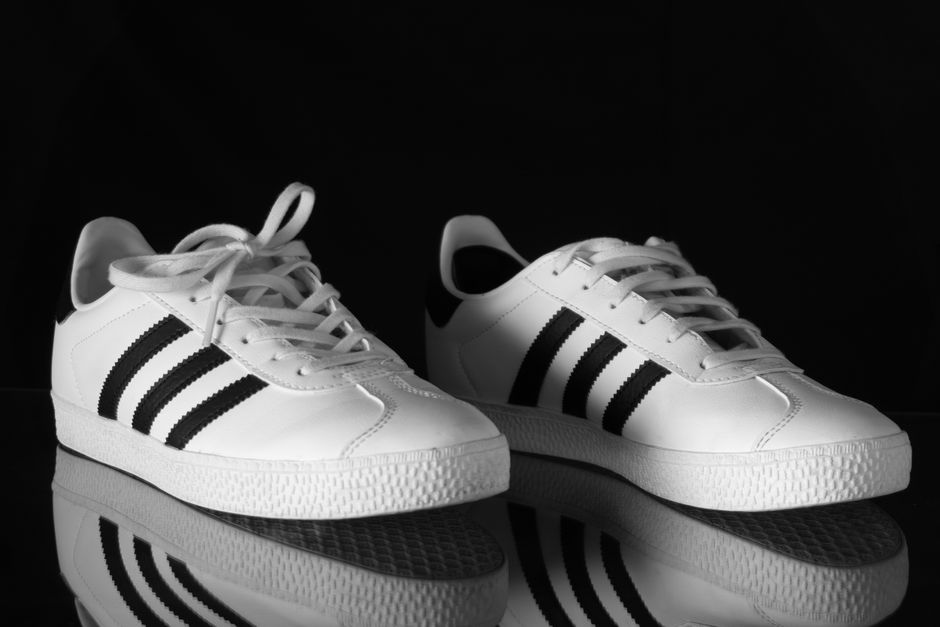
The upper is a combination of smooth leather and suede, most visibly expressed through the T-toe overlay, the defining structural element of the Samba's silhouette. The leather panels are clean and hold their shape well. The suede overlays are where construction vulnerabilities surface. Suede at this price point is not protected or treated for resilience, and it shows. Scuffs accumulate faster than they should on a $100 shoe, and the suede does not respond well to moisture.
The lining is textile, standard for the category and functional without being notable. It does not create friction or heat buildup during normal wear, but it performs no active moisture management.
The outsole is thin gum rubber with a herringbone-adjacent traction pattern, inherited directly from the shoe's futsal origins. On dry, flat surfaces it performs adequately. On wet pavement or uneven terrain, the thin profile offers minimal protection and grip becomes unreliable. This is not a shoe designed for variable outdoor conditions, and the outsole makes that clear.
The OrthoLite sockliner provides light cushioning appropriate for short bouts of wear. See the Comfort section for a full assessment of its performance under sustained use.
Construction quality at the seams and attachment points is generally solid. The Trefoil logo embossed on the tongue is clean and understated. Nothing about the build feels rushed, but nothing signals exceptional craftsmanship either. It is well-made for its price tier, not above it.
Comfort
This is where the Samba OG requires honest conversation. Multiple reviewers note it is not a comfortable shoe by contemporary lifestyle sneaker standards. The cushioning stack is thin by design, this is a court shoe that was never engineered for standing in line, walking through a farmers market, or logging 10,000 steps on pavement. Buyers who approach it with that context report far greater satisfaction than those who expect comfort on par with a New Balance 574 or a running-inspired silhouette.
The OrthoLite sockliner softens initial contact but Owners consistently report it compresses over time. After two to three hours of continuous walking, the cushioning deficit becomes apparent. Your feet will remind you that the midsole is thin and the outsole is thinner.
The fit around the toe box is snug, trending toward narrow. Long-term owners with standard or wider feet report this creates a compounding comfort problem: restricted lateral space combined with minimal underfoot cushioning. Extended wear in this scenario is uncomfortable, not a minor inconvenience.
If your typical day involves sitting at a desk, driving, and a moderate amount of walking, the Samba OG's comfort limitations will rarely surface. If you are on your feet for hours, reconsider.
Fit and Sizing
The Samba OG runs slightly narrow. Length is true to size for most buyers, but the toe box is definitively snug. Buyers consistently find this is the consistent report across buyers with standard and wider feet. The recommendation is clear: size up half a size if you have a standard or wide foot, or if you plan to wear the shoe with anything thicker than a thin cotton sock.
Verified purchasers with narrow feet often note an ideal fit in their true size, with the snug construction providing a secure, locked-in feel that they find preferable.
If you are between sizes, err toward the larger option. Owners consistently report the leather does soften and break in over several wears, but it does not stretch, and the toe box does not widen enough to resolve genuine sizing issues. Do not expect the break-in period to fix a half-size mistake.
For reference: these guidelines apply across the standard Samba OG colorways. Limited edition collabs or women's-specific iterations may have distinct lasts, check sizing notes specific to those versions before purchasing.
How to Style It
The Samba OG's low-profile silhouette and clean, heritage-forward aesthetic make it one of the more versatile sneakers at this price point. Here are three specific outfit directions that work:
1. Straight-leg denim and a relaxed button-down
The Samba is at its strongest with a straight or slightly wide-leg crop of denim, not skinny, which fights the shoe's proportions, and not wide enough to swallow it. Pair with a tucked linen or poplin shirt in a neutral or earth tone, and the gum outsole reads as a deliberate style choice rather than an afterthought. This is the smart-casual register where the Samba earns the most respect.
2. Tailored trousers and a fitted knit
A cropped or ankle-length trouser, wool, twill, or even a ponte, with a fitted ribbed knit or mock-neck sweater lets the shoe anchor a polished, Continental-leaning look. The Samba's court origins translate surprisingly well under tailoring when the trouser hem hits just above or at the ankle bone. This works particularly well with the core black-on-white or white-on-white colorways.
3. Midi skirt and an oversized crewneck
A fluid midi skirt, satin, jersey, or bias-cut, with an oversized crewneck sweatshirt worn tucked or half-tucked creates a proportion contrast that the Samba's low, flat silhouette handles cleanly. Avoid maxi lengths, which overwhelm the shoe's minimal footprint. This styling works across all colorways and is particularly strong with the earth-toned options.
Alternatives
If the Samba OG is close to what you want but not quite right, these three options are worth considering:
New Balance 574 ($89–$95)
Better cushioning, wider toe box, and more forgiving fit. The 574 lacks the Samba's heritage specificity and sleek silhouette, but it is a more comfortable all-day wear option at a comparable price. If comfort is your primary criteria and aesthetic is secondary, the 574 wins.
Nike Killshot 2 ($85)
A cleaner, lower-profile court sneaker that shares the Samba's minimalist aesthetic and heritage positioning. The Killshot 2 is similarly minimal in cushioning but offers a slightly wider fit and a leather upper without the suede durability concerns. Availability can be inconsistent, but worth tracking down if the Samba's suede wear concerns are a dealbreaker.
Veja Campo ($160)
More expensive but addresses the durability concern directly. The Campo uses higher-grade leather construction, holds up significantly better over time, and offers a comparable clean, low-profile silhouette. The price premium is real, but so is the quality gap. If you are buying a shoe you want to wear for two-plus years without visible degradation, the Veja is the more economical long-term choice.
Pros
- Leather and suede upper construction looks elevated for $100. The material combination reads above its price point in most style contexts, particularly in person.
- Low-profile silhouette is versatile. It works under tailoring, denim, and casual dressing without requiring outfit adjustments to accommodate a bulkier sole.
- Lightweight build is a meaningful contrast to platform and thick-soled retro sneakers in the same price bracket. The Samba does not add visual or physical weight to an outfit the way that chunkier silhouettes — New Balance 990s, Nike Air Max — do.
- Heritage design has proven cultural longevity. The Samba has maintained relevance across decades because the design is functional, not manufactured for trend cycles. That gives it a longer shelf life in your wardrobe than most of its current competition.
- Gum rubber outsole adds a considered design detail. The warm amber tone of the outsole on core colorways is a genuine aesthetic asset, not just functional specification.
Cons
- Cushioning is insufficient for extended walking. The OrthoLite sockliner compresses quickly and the thin midsole stack does not compensate. This is a real limitation, not a minor quibble.
- Suede panels wear and scuff faster than the price warrants. For $100, buyers have reasonable expectations around durability. The suede does not meet them in regular use conditions.
- Narrow toe box is exclusionary for wider feet. This is not a fit preference issue — buyers with wider feet report pinching and discomfort that does not fully resolve with sizing up.
- Thin outsole underperforms on wet or uneven surfaces. The grip pattern is designed for indoor hard courts. It does not translate to variable outdoor conditions, which is where most buyers are actually wearing it.
- Availability in popular colorways is persistently unreliable. Sellouts at retail are frequent. Restocks are inconsistent. If you have a specific colorway in mind, you may be waiting or paying above retail on the secondary market.
Current Price
$100 USD
Available at Adidas.com
Buy It Now →Price verified as of May 4, 2026. WYS may earn a commission on purchases.
The WYS Verdict
The Adidas Samba OG is a well-designed, well-priced heritage sneaker with specific and real limitations. It looks better than it costs. It is more uncomfortable than it looks. Your satisfaction with this shoe depends almost entirely on how honestly you evaluate which of those facts matters more to you.
For buyers who understand the shoe's origins, want its specific silhouette, and will not ask it to function as an all-day walking shoe, the Samba OG at $100 is a strong, style-forward buy. The leather-and-suede upper, gum outsole, and clean low-profile construction deliver genuine value at this price in style terms.
For buyers drawn in by trend visibility who need a shoe that can handle a full day on their feet, fits a wide foot comfortably, or holds up without maintenance, the Samba OG is the wrong answer. There are better shoes for those requirements at comparable prices.
Buy it knowing what it is. Size up half a size if you have any doubt about the toe box. Take care of the suede. On those terms, it earns its place.
Rating: 7.5 / 10
Frequently Asked Questions
Is the Adidas Samba OG worth buying in 2024?
Yes, the Samba OG is worth buying if you appreciate honest, functional design that has remained largely unchanged since 1950. The shoe's cultural visibility and enduring production speak to the quality of its original engineering, though it's important to have realistic expectations about its performance as a lifestyle sneaker.
What size should I order in the Adidas Samba OG?
Size up half a size if you have standard or wide feet, or if you plan to wear thicker socks. If you have narrow feet, your true size typically works well and provides a secure, locked-in feel. If you're between sizes, choose the larger option since the leather will soften and break in over time.
How comfortable is the Adidas Samba OG for all-day wear?
The Samba OG is not comfortable by contemporary lifestyle sneaker standards due to its thin cushioning stack, which was designed for court performance rather than extended walking or standing. The OrthoLite sockliner softens initial contact but compresses after two to three hours of continuous wear, so it's best suited for shorter periods of use.
What's a more comfortable alternative to the Adidas Samba OG?
The New Balance 574 is a more comfortable alternative, offering significantly better cushioning and support for all-day wear and extended walking. The Samba OG's thin, court-shoe design cannot match the comfort level of modern running-inspired lifestyle sneakers like the 574.