Why You Should
Birkenstock Arizona EVA Review: Worth $45-$55?
Introduction
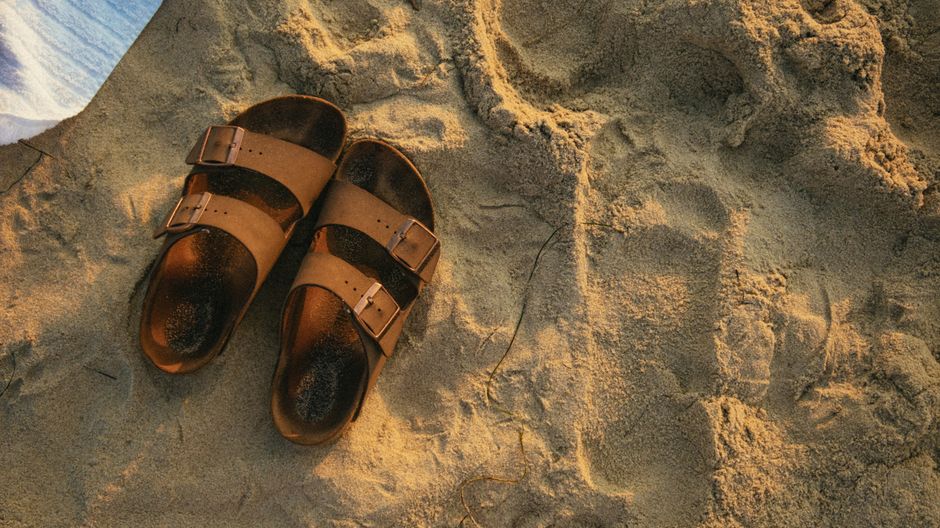
The Birkenstock Arizona EVA is not the Arizona you know. It shares the silhouette, the two-strap buckle system, and the brand name, but it is built entirely from EVA, a lightweight, molded foam material that has nothing to do with the cork-latex footbed that made Birkenstock a serious comfort shoe in the first place. That distinction matters, and if you go in without understanding it, you will likely be disappointed.
What the Arizona EVA actually is: a waterproof, rinse-clean, beach-ready sandal priced between $45 and $55 that makes a reasonable case for itself in specific environments. It is the sandal you grab for the pool deck, the campsite shower, or the weekend trip where you refuse to risk your $140 leather pair. Used within that frame, it earns its place. Used as a daily comfort shoe expecting the same feel as the original, it falls short in ways that are worth knowing before you buy.
This review breaks down exactly where it delivers and where it cuts corners, so you can decide whether the tradeoff makes sense for your situation.
Price
At $45 to $55, the Arizona EVA lands at roughly one-third the price of the classic leather Arizona, which retails around $140 to $160 depending on colorway and retailer. That gap is significant and deliberate, the EVA version is positioned as an entry-level or secondary-use option, not a like-for-like substitute.
For what it offers in water-use and travel contexts, the price is fair. You are not paying for cork, leather, or long-term durability. You are paying for the brand's footbed geometry, waterproof construction, and a sandal you will not mourn if it gets destroyed at the beach. On that basis, the value holds up. Where the math gets complicated is if you are buying this hoping to stretch it into everyday wear through fall, the EVA construction does not age gracefully enough to justify even this modest investment for year-round use.
Watch for minor price variation across retailers. Amazon and Dick's Sporting Goods sometimes discount this style by $5 to $10 at the end of the season, which is worth noting if timing is flexible.
Materials and Construction
The Arizona EVA is a single-material product: EVA (ethylene-vinyl acetate) from strap to sole. The footbed, the straps, the outsole, all the same foam compound, molded in one piece. There is no cork, no jute, no leather, no suede, and no textile lining. This is not a layered construction. It is a monobloc foam sandal shaped to resemble the classic Arizona.
EVA is a closed-cell foam widely used in athletic midsoles, flip-flops, and water shoes. It is light, waterproof, and easy to mold into shapes. It is also subject to compression over time, meaning the footbed will gradually flatten with use rather than conforming and deepening the way cork does. What starts as a contoured footbed can become flatter after a season of regular wear, particularly under a heavier stride.
The buckles and straps are the same visual element as the classic version, but the strap material itself is stiffer EVA rather than leather or microfiber, which has real implications for break-in (more on that in Comfort). The outsole is textured EVA, functional for wet surfaces, though not as grippy as a rubber sole would be, and prone to uneven wear. Construction quality is consistent with the price point, but don't mistake the familiar Birkenstock logo for the same build standards as the flagship line.
Comfort
This is where the EVA diverges most sharply from the classic, and it is the section most buyers wish they had read first.
The original Arizona's comfort reputation is built on its cork-latex footbed, which is firm initially and then molds over weeks of wear to the specific contours of the wearer's foot, arch height, heel depth, toe pressure points. That personalization is what makes longtime Birkenstock wearers loyal to the point of obsession. The EVA version offers a footbed molded in the same general shape, but it does not adapt. Verified purchasers note that what you feel on day one is what you will feel on day ninety, minus the gradual compression that will eventually flatten it out.
For someone with a foot shape that happens to align well with Birkenstock's standard contours, this may be sufficient for a few hours of wear. For someone who relies on that personalized arch support, particularly those with high arches or plantar fasciitis. Buyers consistently find the EVA footbed will likely feel generic at best and unsupportive at worst.
The break-in issue with the straps is real. EVA is not forgiving against bare skin before it softens, and the edges of the straps can create friction points on the top of the foot and along the sides. Multiple reviewers note that blistering occurs in the first two to five wears. This is not unusual for Birkenstock sandals as a category, but the EVA material takes longer to conform to your foot than leather does, which extends that uncomfortable window.
Once broken in, typically after a week of casual use. Long-term owners report the sandal becomes more comfortable. It is not a shoe you will want on your feet for a full day of urban walking, but for pool-to-lunch, errands, or a slow beach day, it performs adequately. Owners consistently report that the lightweight construction is a genuine plus here: at roughly half the weight of the leather version, fatigue during light activity is reduced.
Fit and Sizing
The Arizona EVA runs true to Birkenstock's standard sizing for most wearers, which means if you already own a pair of Birkenstocks, ordering your usual size is a reasonable starting point. If you are new to the brand, Birkenstock uses European sizing and the fit runs wide, there is a regular and narrow option in some colorways.
The important caveat: if you are between sizes, size up. With the classic cork footbed, slight sizing imprecision gets corrected over time as the footbed compresses and molds around your foot. The EVA footbed does not do this. It stays fixed in its molded shape, which means a half-size too small will remain a half-size too small throughout the life of the sandal. The straps are adjustable and can help dial in fit across the instep, but they cannot compensate for a footbed that doesn't match your foot length.
Width-wise, Verified purchasers note the EVA construction can feel slightly more rigid across the toe bar and arch area compared to the leather version, particularly for wider feet. The lack of any give in the material means pressure points that might resolve over time in a leather Birkenstock may persist with the EVA version.
How to Style It
The Arizona EVA is casual by construction, the shiny, molded-foam finish does not read as elevated, and you shouldn't try to force it into outfits that need polish. Work with what it is.
1. Spring Errand Day
Pair the white or beige colorway with straight-leg light-wash jeans cropped at the ankle and a fitted white or striped linen shirt tucked in loosely. Keep accessories minimal, a canvas tote, small gold hoops. The sandal reads intentionally casual here rather than afterthought.
2. Beach-to-Boardwalk Transition
The EVA construction makes this sandal suited to going from sand to a boardwalk lunch. Wear them with a linen beach cover-up or wide-leg linen pants in a neutral or soft earth tone over a simple swimsuit. Throw on a structured straw hat and a canvas or woven bag. The sandal's clean silhouette works better here than a foam flip-flop would.
3. Budget-Conscious Spring Capsule
For a wardrobe that is doing more with less this season: pair a terracotta or warm brown colorway with a floral midi skirt from a fast-fashion retailer, a plain fitted white tank, and denim jacket tied at the waist. This is the outfit where the Arizona EVA does exactly what the price point promises, it looks considered without costing much.
Alternatives
1. Crocs Classic Sandal ($34–$45)
Also EVA construction, fully waterproof, and in the same functional category. Less arch support than the Birkenstock EVA, but aggressively priced and available at nearly every mass retailer. Better choice if grip and ease of on/off are the priority; not a style upgrade.
2. Teva Original Universal Sandal ($50–$60)
Straps are adjustable nylon webbing with a rubber outsole, making it more durable and grippier on wet surfaces than the Arizona EVA. Footbed is cushioned but flat, no arch contouring. Better for active use, hiking-adjacent activities, or buyers who prioritize function over brand recognition. Widely available at REI and Zappos.
3. Birkenstock Arizona Birko-Flor ($100–$120)
If budget flexibility exists, this is worth considering as a middle option. Birko-Flor is a synthetic upper material that approximates the look and adjustability of leather without the water damage risk. The footbed is still the cork-latex construction, which means you get genuine arch support and foot-molding, the thing the EVA version lacks entirely. It is double the price but a significantly better everyday sandal.
Pros
- Fully waterproof by construction: No special treatment required. You can rinse this sandal under a hose, wear it through rain, and take it directly into the ocean without any of the material damage concerns that come with the cork-and-leather version. This is the feature that justifies buying it.
- lightweight: The all-EVA build keeps weight low, reducing fatigue during casual wear and making it a practical travel shoe that takes up minimal bag space.
- Accessible price point: At $45–$55, it functions as a seasonal or activity-specific pair without demanding the commitment of the full-price leather version. Financially low-risk.
- Zero maintenance: No conditioning, no drying protocol, no suede brush. Wipe it down or run it under water. For summer use, this simplicity is a real advantage.
- Recognizable Birkenstock silhouette with adjustable straps: The two-buckle system allows genuine fit adjustment, which puts it ahead of most sandals in this price range that offer no customization.
Cons
- EVA footbed does not replicate cork-latex support: The arch contouring is approximate and static. It will not mold to your foot, deepen at the heel, or adjust to your arch height over time. Buyers with high arches or support needs will feel this gap acutely.
- Strap break-in is uncomfortable and prolonged: The EVA strap material is stiffer against skin than leather, and the break-in window is longer. Blistering on the top of the foot is a commonly reported experience in the first several wears.
- Durability is limited to roughly one heavy-use season: The EVA outsole compresses and wears unevenly under regular use. Buyers using this as a primary summer sandal report noticeable degradation — flattened footbed, worn outsole — after one season of consistent wear.
- Color fading with prolonged sun and water exposure: Darker colorways in particular are reported to fade when subjected to repeated pool or sun exposure. The EVA material does not hold pigment the way dyed leather does.
- Imprecise fit for between-size buyers: Without the adaptive quality of cork, fit errors do not self-correct. A sandal that is slightly off in size on day one will remain that way throughout its lifespan.
Current Price
$45–$55
Available at Amazon.com
Buy It Now →Price verified as of May 10, 2026. WYS may earn a commission on purchases.
The WYS Verdict
The Birkenstock Arizona EVA does exactly one thing better than any other Birkenstock: it survives water. If that is the job you are hiring it for, beach, pool, camping showers, summer travel, it justifies the $45 to $55 price without hesitation. It is lightweight, maintenance-free, and carries the Birkenstock two-strap structure that fits most feet better than a generic foam sandal.
Where it loses the argument is in the role of everyday comfort sandal, which is the position the Birkenstock brand built its reputation on. The EVA footbed is not the cork footbed. It does not earn its shape over time. It does not provide the same arch support. And the break-in friction from the straps is a genuine inconvenience that stretches across the first week of wear. Durability past a single heavy-use season is also questionable.
Buy this if you need a waterproof summer secondary. Do not buy this expecting the Birkenstock comfort experience at a lower price, that experience requires the cork, and the cork is not here.
Score: 6.8 out of 10
Frequently Asked Questions
Is the Birkenstock Arizona EVA worth $45-$55?
With a score of 6.8/10, the Birkenstock Arizona EVA makes a reasonable case for itself in specific environments like beaches, but it is not the comfort shoe that made Birkenstock famous. Whether it's worth the price depends on whether you need a waterproof, rinse-clean sandal rather than a personalized, molding footbed experience.
What size should I order in the Arizona EVA?
If you already own Birkenstocks, order your usual size as the Arizona EVA runs true to standard Birkenstock sizing. If you are between sizes, size up, because unlike the classic cork footbed, the EVA footbed does not compress or mold to your foot over time.
How is the comfort different between the EVA and the classic Arizona?
The original Arizona's comfort reputation comes from its cork-latex footbed that molds to your foot's unique contours over weeks of wear, while the EVA version has a molded footbed that does not adapt and feels the same on day one as it will months later. This lack of personalization is the most significant comfort difference between the two models.
What is the Arizona EVA best used for?
The Arizona EVA is designed as a waterproof, rinse-clean, beach-ready sandal rather than an all-day comfort shoe, making it most suitable for water-based environments and situations where easy cleaning is a priority.